
Pak Identity History, Culture, Challenges, and the Future
Description
Paki identity is a unique blend of history, culture, religion, language, traditions, and national values. Since the creation of Pakistan in 1947, the people of the country have developed a strong sense of belonging that connects millions of citizens despite their diverse ethnic, linguistic, and cultural backgrounds. Pakistani identity is not limited to a single language, province, or tradition. Instead, it is a combination of many influences that together create a shared national character.
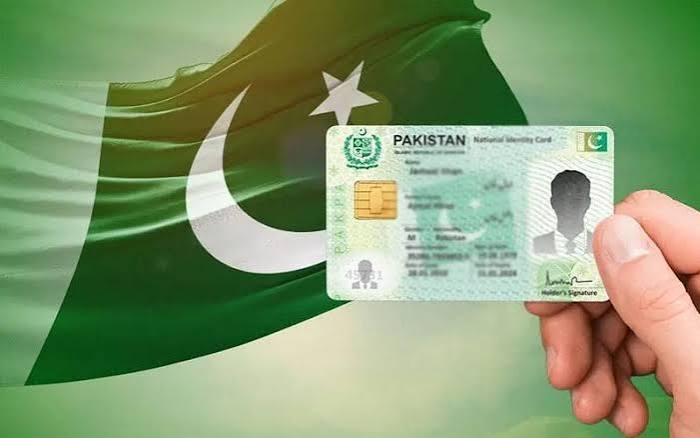
Pakistan is home to people from different ethnic groups, including Punjabis, Sindhis, Pashtuns, Baloch, Kashmiris, Saraikis, Baltis, and many others. Each group contributes its own customs, traditions, and cultural practices to the national identity. At the same time, Islam plays an important role in bringing people together and shaping the values and principles of society.
Understanding Pakistani identity requires exploring its historical roots, cultural diversity, national symbols, social values, challenges, and future aspirations. This article examines the different elements that make up Pakistani identity and explains why it remains an important topic in modern society.
Historical Foundations of Pakistani Identity
The roots of Pakistani identity can be traced back to the history of the Indian subcontinent. For centuries, the region experienced the influence of various civilizations, including the Indus Valley Civilization, Persian empires, Central Asian dynasties, and Muslim rulers.
The arrival of Islam in South Asia significantly shaped the social and cultural development of the region. Muslim scholars, saints, and rulers introduced religious, educational, and cultural traditions that influenced millions of people. Over time, a distinct Muslim identity developed among many communities in the subcontinent.
During British colonial rule, political awareness among Muslims increased. Many Muslim leaders believed that the rights and interests of Muslims required political representation and protection. This idea eventually led to the demand for a separate homeland.
Under the leadership of Quaid-e-Azam Muhammad Ali Jinnah, the movement for Pakistan gained strength. The creation of Pakistan on August 14, 1947, marked the beginning of a new nation. Independence provided Muslims of the region with an opportunity to build a country based on their aspirations and values.
The struggle for independence remains a central part of Pakistani identity. The sacrifices made during the partition and the efforts of national leaders continue to inspire future generations.
The Role of Islam in Pak Identity login
Islam occupies a central position in Pakistani identity. The country’s creation was closely linked to the desire of Muslims to preserve their religious and cultural values.
For many Pakistanis, Islam is not only a religion but also a source of ethical guidance, social responsibility, and community spirit. Islamic teachings influence family life, education, social interactions, and national celebrations.
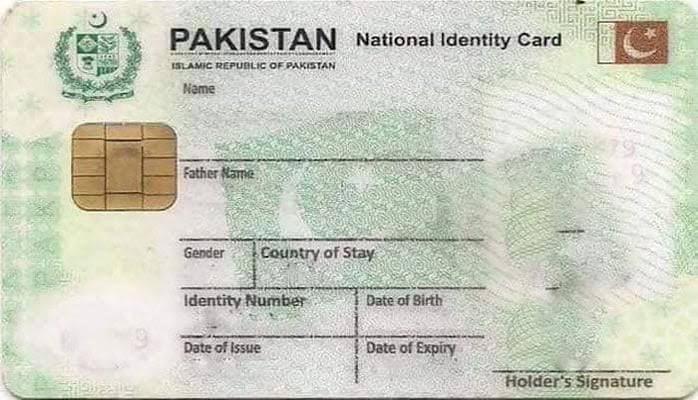
Religious events such as Eid-ul-Fitr, Eid-ul-Adha, and Ramadan bring people together and strengthen feelings of unity. Mosques, religious institutions, and charitable organizations play important roles in community development.
However, Pakistani identity is not solely defined by religion. It also includes cultural diversity, regional traditions, and national values. The challenge is to maintain a balance between religious principles and the diverse cultural heritage of the country.
Pak Identity Tracking of Cultural Diversity in Pakistan
One of the greatest strengths of Pakistan is its cultural diversity. Every province and region has its own traditions, languages, clothing styles, music, and customs.
Punjab is known for its rich agricultural heritage, colorful festivals, and vibrant folk music. Sindh is famous for its Sufi traditions, historical sites, and artistic craftsmanship. Khyber Pakhtunkhwa is recognized for its hospitality, courage, and strong tribal traditions. Balochistan is admired for its unique culture, traditional music, and deep sense of community.
Northern regions such as Gilgit-Baltistan and Azad Kashmir contribute beautiful cultural traditions, languages, and natural heritage to the national identity. These regions are known for their stunning mountains, hospitality, and rich folklore.
Although cultural differences exist, Pakistanis share many common values, including respect for family, hospitality toward guests, and pride in national achievements.
Language and National Identity
Language plays a significant role in shaping identity. Pakistan is a multilingual country with dozens of regional languages spoken across different regions.
Urdu serves as the national language and acts as a bridge connecting people from various linguistic backgrounds. It is widely used in education, media, literature, and government communication.
At the same time, regional languages such as Punjabi, Sindhi, Pashto, Balochi, Saraiki, Shina, Balti, and Kashmiri remain important symbols of cultural heritage. These languages preserve local traditions, poetry, folklore, and history.
The coexistence of Urdu and regional languages demonstrates the diversity of Pakistani identity. Rather than replacing local cultures, the national language helps unite citizens while allowing regional traditions to flourish.
National Symbols and Shared Pride
National symbols play an important role in strengthening Pakistani identity. The national flag, anthem, and historical monuments remind citizens of their shared heritage and aspirations.
The green and white flag represents unity, faith, and progress. The national anthem inspires patriotism and national pride. National monuments and historical landmarks connect people with their country’s past.
Sports also contribute significantly to national identity. Cricket, in particular, has become a source of collective pride. Major victories often unite people across ethnic, linguistic, and regional differences.
Achievements in science, education, arts, and international diplomacy also strengthen feelings of national pride. Successful Pakistanis serve as ambassadors of the country’s talent and potential.
Family Values and Social Traditions
Family is one of the most important components of Pakistani society. Strong family bonds influence social relationships, decision-making, and cultural practices.
Respect for parents, care for elders, and support for relatives are highly valued. Extended family networks often provide emotional, financial, and social support during difficult times.
Hospitality is another defining feature of Pakistani culture. Guests are treated with respect and generosity regardless of their background. This tradition reflects the values of kindness, community, and mutual support.
Traditional celebrations, weddings, and religious gatherings further strengthen social connections and reinforce cultural identity.
Challenges to Pakistani Identity
Like many modern nations, Pakistan faces several challenges related to identity and social cohesion.
One challenge is balancing national unity with regional diversity. Different ethnic groups sometimes seek greater recognition for their languages, cultures, and political interests. Addressing these concerns requires inclusive policies and mutual respect.
Globalization presents another challenge. Modern technology, social media, and international cultural influences affect how young people view identity and tradition. While globalization creates opportunities for learning and development, it can also weaken connections to local heritage.
Economic difficulties, political instability, and social inequalities may also influence how citizens perceive their relationship with the state. Strengthening institutions and promoting equal opportunities can help reinforce national unity.
Educational systems play a critical role in addressing these challenges by teaching students about history, citizenship, diversity, and shared national values.
The Role of Youth in Shaping Identity
Pakistan has a young population, and the country’s future largely depends on its youth. Young Pakistanis are increasingly active in education, entrepreneurship, technology, sports, and social development.
The younger generation has access to global knowledge and digital communication tools that previous generations could not imagine. These opportunities allow them to engage with international communities while maintaining connections to their national heritage.
Youth can contribute to a stronger Pakistani identity by promoting tolerance, innovation, and civic responsibility. By embracing both tradition and modernity, they can help create a society that is confident, inclusive, and forward-looking.
Educational institutions, community organizations, and government programs can support young people by providing opportunities for leadership and personal development.
Pakistani Identity in the Global World
Millions of Pakistanis live and work abroad. These overseas communities play an important role in representing Pakistan on the global stage.
Pakistani professionals, students, entrepreneurs, and workers contribute to the economies and societies of many countries. At the same time, they maintain cultural and emotional connections with their homeland.
The global Pakistani diaspora helps promote Pakistani culture, cuisine, literature, music, and traditions around the world. Their success stories strengthen the country’s international image and demonstrate the capabilities of Pakistani citizens.
Maintaining a strong connection between overseas Pakistanis and the homeland can further strengthen national identity and international cooperation.
The Future of Pak istani Identity
The future of Pakistani identity depends on the country’s ability to embrace diversity while maintaining unity. A successful national identity should include people from all regions, languages, and backgrounds.
Education, economic development, social justice, and cultural preservation will play crucial roles in shaping the future. Citizens must continue to celebrate their differences while recognizing their common goals and values.
Technology and innovation will likely transform society in the coming decades. As Pakistan moves toward greater modernization, it will be important to preserve historical traditions and cultural heritage.
A confident Pakistani identity should be based on respect, tolerance, progress, and national pride. Such an identity can help build a stronger and more prosperous society for future generations.
Conclusion Pak Identity apk download
Pakistani identity is a complex and dynamic concept shaped by history, religion, culture, language, and shared national experiences. It reflects both unity and diversity, bringing together people from different backgrounds under a common national framework.
The country’s rich cultural heritage, strong family values, religious traditions, and patriotic spirit continue to influence the lives of millions of citizens. While challenges exist, the strength of Pakistani identity lies in its ability to adapt and evolve while preserving its core values.
As Pakistan continues to develop in the twenty-first century, its identity will remain an important source of inspiration, unity, and national pride. By embracing diversity, promoting inclusion, and investing in future generations, Pakistan can continue to build a strong and positive identity that reflects the aspirations of all its people.
Frequently Asked Questions of Pak Identity app
1. How can I check Nikah Nama registration online?
Currently, Nikah Nama registration records are generally maintained by local Union Councils and relevant government authorities. To verify a Nikah Nama, you may need to contact the Union Council where the marriage was registered or check if your local authority provides an online verification service.
2. How can I check a CNIC number online?
CNIC verification services are available through official government channels. Users should only use authorized platforms and services for CNIC verification to ensure privacy and security.
3. How do I check Nikah registration online?
To check Nikah registration online, visit the relevant local government or Union Council website if online verification is available in your area. You may need details such as the registration number, CNIC, or marriage certificate information.
4. What does NADRA stand for?
NADRA stands for National Database and Registration Authority. It is the government organization responsible for maintaining Pakistan’s citizen database and issuing identity documents.
5. How can I check my ID card number online?
For security and privacy reasons, ID card details should only be accessed through official government services. Citizens can use authorized verification channels provided by the relevant authorities.
6. How do I create a Pak Identity account?
To create a Pak Identity account, visit the official Pak Identity portal, select the registration option, provide your personal information, verify your email address, and complete the account setup process.
7. How do I make a Pak Identity account?
Making a Pak Identity account involves registering on the official Pak Identity platform, entering your CNIC or NICOP details, verifying your contact information, and creating login credentials.
8. How do I pay the Pak Identity fee?
Pak Identity fees can typically be paid using debit cards, credit cards, online banking services, or other payment methods supported by the platform. Available payment options are displayed during the application process.
9. Can I transfer or loan balance into a Pak Identity account?
Pak Identity accounts are generally used for identity document applications and related services. Users should review the official platform’s payment and wallet policies for information regarding balance transfers or account funding options.
10. How should I create a password on the Pak Identity website?
When creating a password, use a strong combination of uppercase letters, lowercase letters, numbers, and special characters. Avoid using easily guessed information such as names, birthdays, or simple number sequences.
11. What should I do if I forget my Pak Identity password?
If you forget your password, use the “Forgot Password” option on the login page. Follow the instructions to verify your identity and reset your password securely.
12. Is Pak Identity safe to use?
Yes, Pak Identity is designed to provide secure online identity services. Users should always access the official website, use strong passwords, and avoid sharing login credentials with others.
13. What documents can I apply for through Pak Identity?
Pak Identity allows eligible applicants to apply for various identity documents, including CNIC, NICOP, POC, and other NADRA-related services, depending on their eligibility.
14. Can overseas Pakistanis use Pak Identity?
Yes, Pak Identity is specifically designed to help overseas Pakistanis apply for identity documents and access NADRA services online from anywhere in the world.
15. How long does Pak Identity application processing take?
Processing times vary depending on the document type, application category, and service selected. Applicants can track the status of their applications through their Pak Identity accounts.
Download links
How to install Pak Identity History, Culture, Challenges, and the Future APK?
1. Tap the downloaded Pak Identity History, Culture, Challenges, and the Future APK file.
2. Touch install.
3. Follow the steps on the screen.